Weighing the Advantages and Disadvantages Before Taking Out a Home Mortgage

Taking out a home mortgage is one of the most significant financial decisions many people will make. It offers the path to homeownership without requiring the full purchase price upfront.

However, like any substantial financial commitment, it comes with its set of advantages and disadvantages. Understanding these can help prospective homeowners make an informed decision.

Advantages of Home Mortgages

1. Homeownership Accessibility

The most apparent advantage of a home mortgage is that it makes homeownership accessible. Most people cannot afford to pay the full price of a home upfront. Mortgages allow you to spread the cost over many years, making it feasible to own a home.

2. Building Equity

As you pay down your mortgage, you build equity in your home. Equity represents the portion of your home that you truly “own”—the value of the home minus any outstanding mortgage balance. This equity can be a valuable financial asset over time.

3. Potential Tax Benefits

In many jurisdictions, homeowners can enjoy tax deductions on mortgage interest and property taxes. These benefits can reduce the overall cost of borrowing and owning a home.

4. Predictable Payments

Fixed-rate mortgages offer predictable monthly payments, which can provide financial stability. Knowing your housing costs will remain constant over time can make budgeting easier and provide peace of mind.

5. Investment in Appreciating Asset

Real estate typically appreciates in value over the long term. Owning a home through a mortgage allows you to invest in an asset that can grow in value, potentially offering a significant return on investment when it’s time to sell.

Disadvantages of Home Mortgages

1. Long-Term Financial Commitment

A mortgage is a long-term financial commitment, often spanning 15 to 30 years. This commitment can be daunting and limits financial flexibility. It’s crucial to be confident in your long-term income stability before taking on a mortgage.

2. Interest Costs

Over the life of a mortgage, homeowners can pay a substantial amount in interest. The total cost of borrowing can significantly exceed the original loan amount, making the overall cost of homeownership much higher.

3. Risk of Foreclosure

Failing to make mortgage payments can lead to foreclosure, where the lender takes possession of the home. This risk underscores the importance of understanding your financial capacity to sustain mortgage payments over time.

4. Maintenance and Additional Costs

Homeownership involves more than just mortgage payments. Property taxes, maintenance, repairs, and homeowners insurance are additional costs that can add up.

Unlike renting, where the landlord typically covers such expenses, homeowners are financially responsible for their property.

5. Reduced Liquidity

Investing a large portion of your wealth in real estate can reduce your financial liquidity. Real estate is not a liquid asset, meaning it cannot be quickly sold or converted to cash without a significant effort or potential loss in value.

Making an Informed Decision

Before deciding to take out a home mortgage, it’s essential to carefully consider your financial situation, future income stability, and willingness to commit to a long-term financial obligation.

Additionally, consider the current and future real estate market conditions, interest rates, and your long-term financial goals.

Consulting with a financial advisor or mortgage broker can provide personalized advice and help you understand the best options for your circumstances.

Ultimately, while a home mortgage can be a pathway to homeownership and financial growth, it requires careful consideration and planning to ensure it aligns with your financial health and goals.
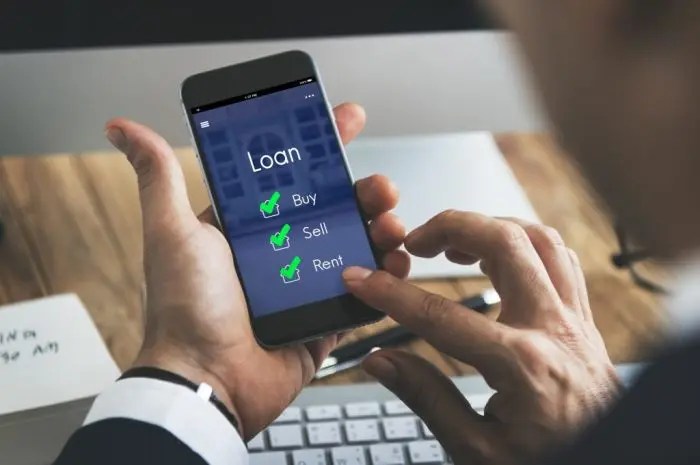
10 Types of Online-Based Personal Loans that are Easy and Quick to Disburse

In today’s fast-paced world, the need for quick and easy financial solutions has led to the rise of online personal loans.

These loans offer the convenience of applying from anywhere, with fast approval and disbursement processes that cater to urgent financial needs.

Below, we delve into 10 Types of Online Personal Loans that are easy to apply for and can be quickly disbursed, providing a lifeline in times of need.

1. Payday Loans

Payday loans are short-term loans designed to cover expenses until your next paycheck. They’re known for their quick approval times and can be a convenient option for emergency expenses. However, they often come with high-interest rates.

2. Installment Loans

Installment loans allow you to borrow a lump sum of money and repay it over time in fixed monthly payments. They offer more flexibility in terms of repayment periods and can be used for a variety of purposes, from home improvement projects to medical expenses.

3. Personal Line of Credit

A personal line of credit works similarly to a credit card. It offers a revolving credit line that you can draw from as needed, making it a flexible solution for ongoing expenses. Interest is only charged on the amount used.

4. Peer-to-Peer Loans

Peer-to-peer (P2P) loans connect borrowers directly with investors through online platforms. These loans can offer competitive interest rates and terms, with the application and funding process often completed entirely online.

5. Debt Consolidation Loans

Debt consolidation loans are designed to combine multiple debts into a single loan with a lower interest rate. This can simplify your monthly payments and save you money on interest, helping to pay off debt faster.

6. Medical Loans

Medical loans are specific to covering healthcare-related expenses. They can be a quick way to access funds for procedures not covered by insurance, offering peace of mind during stressful times.

7. Emergency Loans

Emergency loans are designed for urgent financial needs, such as unexpected car repairs or home damages. They typically feature fast approval and fund disbursement to address immediate expenses.

8. Home Improvement Loans

Home improvement loans are unsecured loans used to finance home renovations or repairs. Unlike home equity loans, they don’t require using your home as collateral, making them a safer option for non-homeowners.

9. Education Loans

Education loans cater to expenses related to schooling, such as tuition, books, and living costs. They can be a viable option for students looking for funding outside of traditional student loans.

10. Vacation Loans

Vacation loans can finance your dream holiday, covering costs like flights, accommodations, and activities. While not a necessity, they offer a way to fund leisure without dipping into savings.

Choosing the Right Online Personal Loan

When selecting an online personal loan, consider factors like interest rates, fees, repayment terms, and the lender’s reputation. Always read the terms and conditions carefully and understand your repayment capacity to avoid future financial strain.

The Application Process

Applying for an online personal loan typically involves filling out an application on the lender’s website, submitting necessary documents, and awaiting approval. The process is streamlined and efficient, with decisions and fund disbursement often happening within days.

Conclusion

Online personal loans offer a convenient solution for managing financial needs with speed and flexibility.

Whether facing an emergency, planning a home renovation, or consolidating debt, there’s an online loan option to suit various circumstances.

By choosing wisely and borrowing responsibly, you can leverage these financial tools to meet your needs without compromising your financial health.

Create your own website, free on WordPress.com.Create your own website.
Start free